FAQs for Complaint Restrooms on Farms
What is the difference between GAP, OSHA, and USDA when it comes to farm restrooms?
While all three help agricultural operations maintain operational compliance, they serve different roles:
- GAP (Good Agricultural Practices) establishes the standards by which farms are measured. GAP covers agricultural safety from water, soil, workers, and overall environmental sanitation and quality.
- USDA (United States Department of Agriculture) does not create the rules; rather, it enforces and oversees GAP compliance through farm audits.
- OSHA (Occupational Safety and Health Administration) focuses on worker safety rather than food safety. Farms and agricultural operations can refer to the relevant guidelines under the Field Sanitation Standard.
What are the general restroom requirements for GAP-Compliance?
To meet GAP standards, portable restrooms must be properly managed on-site, not just equipped with the right features. This includes:
- Restrooms should be accessible for workers.
- Restrooms should be properly located away from water sources used in irrigation or in a location that poses a potential risk for runoff.
- All restrooms are regularly cleaned and sanitized.
- Servicing includes the proper collection and disposal of waste.
- Facilities should include a proper inventory of toilet paper, hand sanitizer, foot flusher, and additional handwashing units.
What is the difference between a GAP-compliant unit and a regular portable restroom?
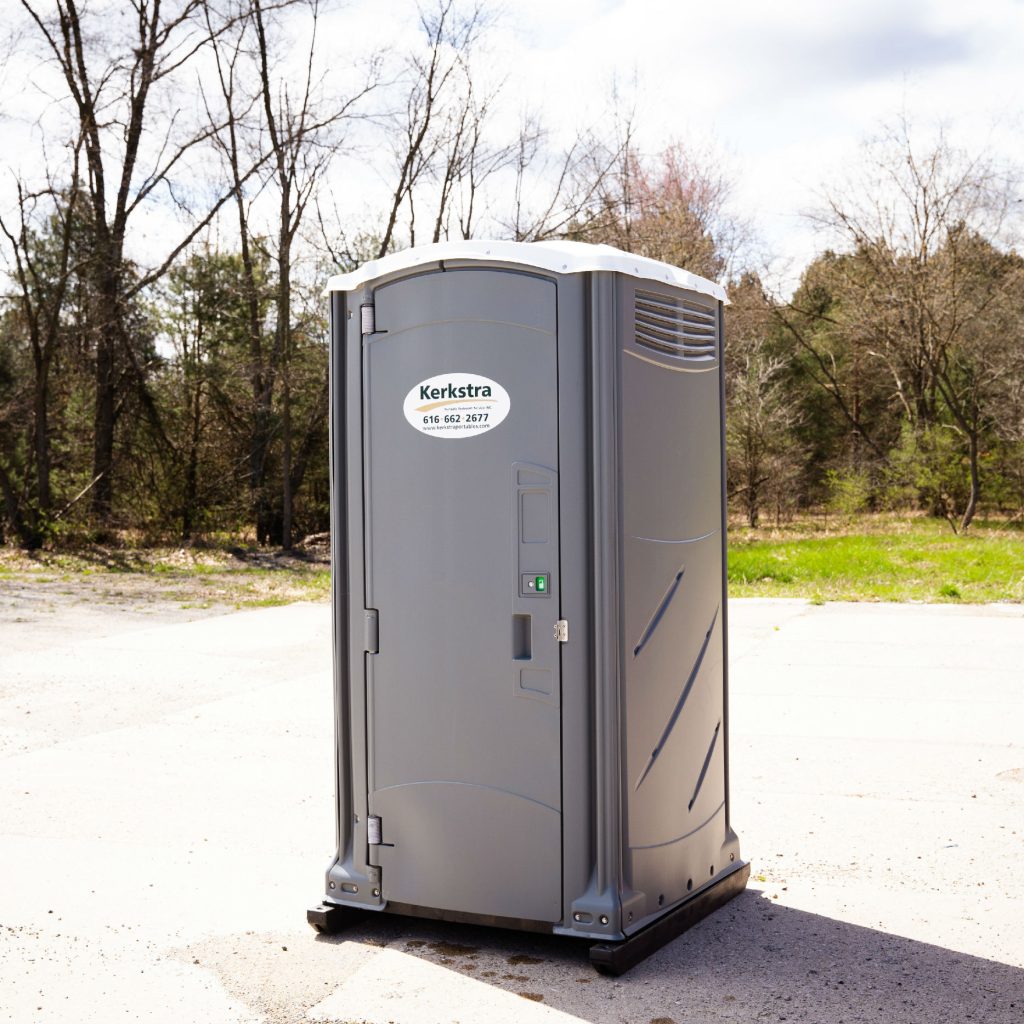
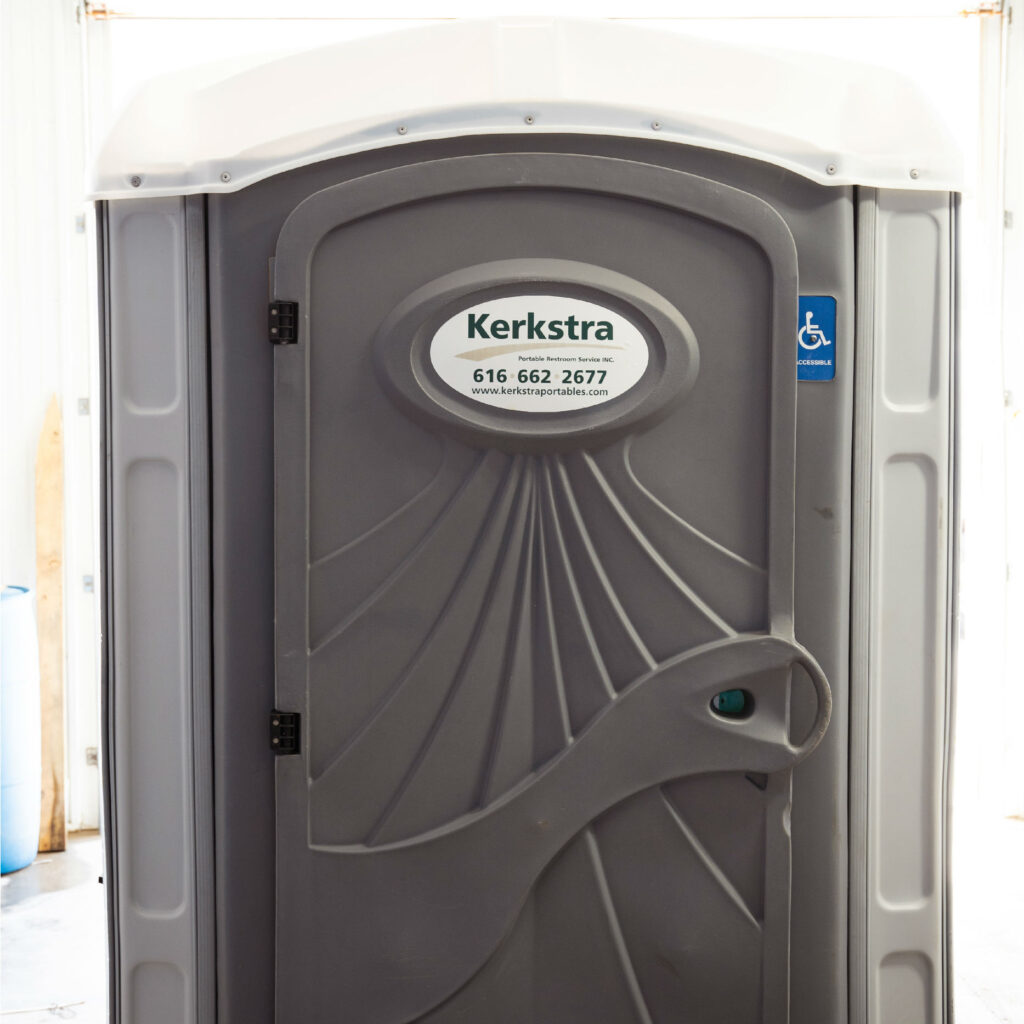
A standard portable restroom provides basic sanitation, while a GAP-compliant unit includes specific features to protect both food and worker safety in agricultural settings. These features include:
- Handwashing sink
- Unscented soap
- Inventory of paper towels and toilet paper
- Hand sanitizer
- Bilingual signage
- A spill chart
- Regular servicing and cleanliness
- Documented service record
Are portable restrooms required for GAP certification?
Yes! Properly sanitized and maintained restrooms are a key component to ensuring GAP certification and passing potential audits.
How many portable restrooms does my farm need?
Under OSHA’s field sanitation standard, farms must provide one toilet and one handwashing facility for every 20 workers.
Do I need a separate handwashing station if my unit already has a sink?
If your unit is GAP-compliant and includes an exterior sink, it generally meets the handwashing requirement. However, always check the specific regulations for your location. For large farm operations, adding separate handwashing stations can help streamline breaks and improve efficiency.
What happens if my portable restroom fails a GAP audit inspection?
If an auditor finds that your restroom facilities are not compliant, whether it’s due to missing documentation, unsanitary conditions, or inadequate supplies, it would be considered a failed audit and could result in additional fines.
How do I get started renting GAP-compliant portable restrooms in Michigan?
Contact Kerkstra directly to discuss your farm’s size, workforce, harvest timeline, and specific compliance needs. We’ll help you select the right units, establish a service schedule, and ensure all documentation is in place before your next audit.